


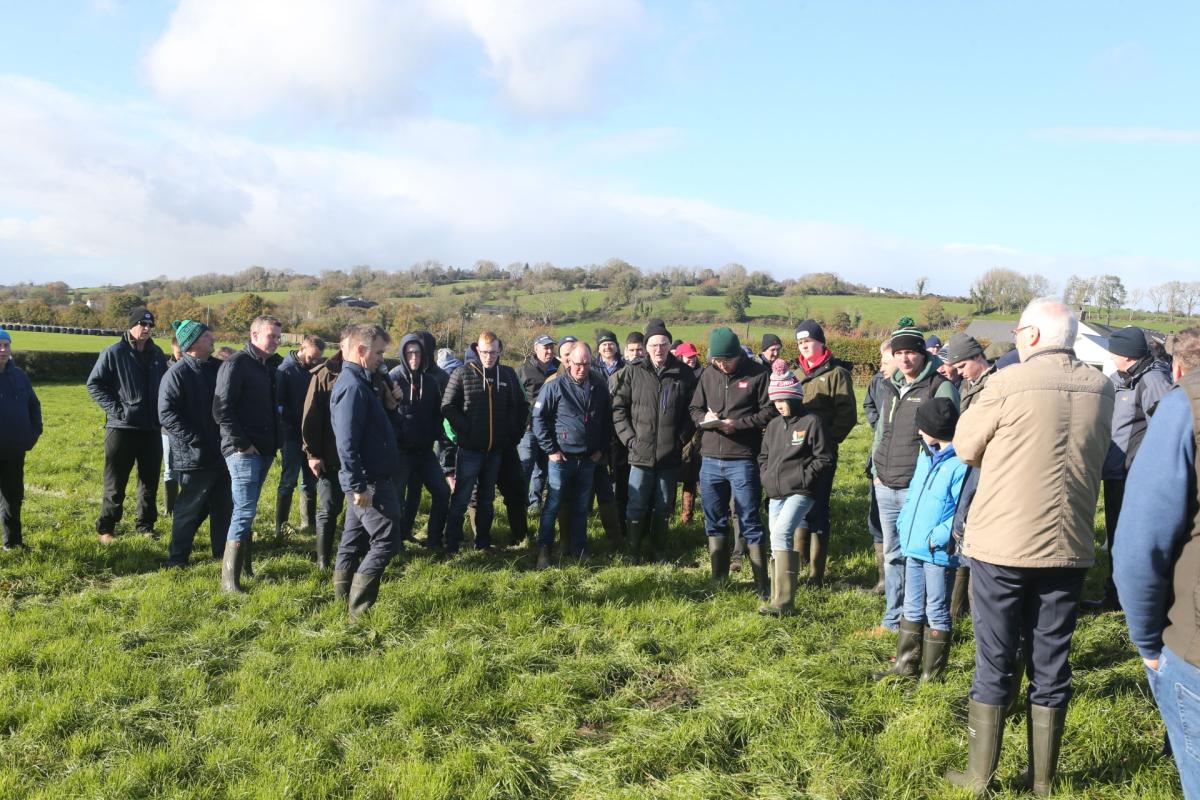
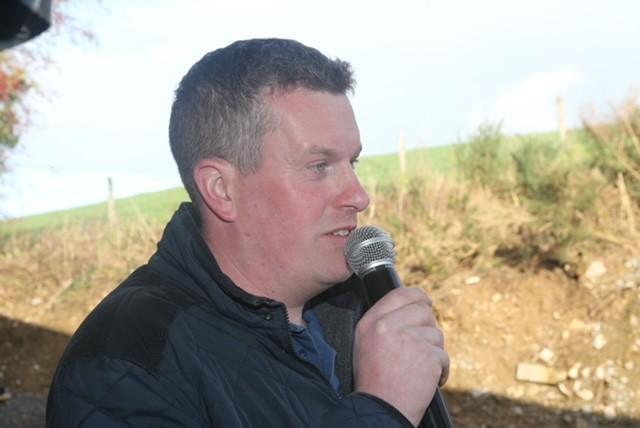
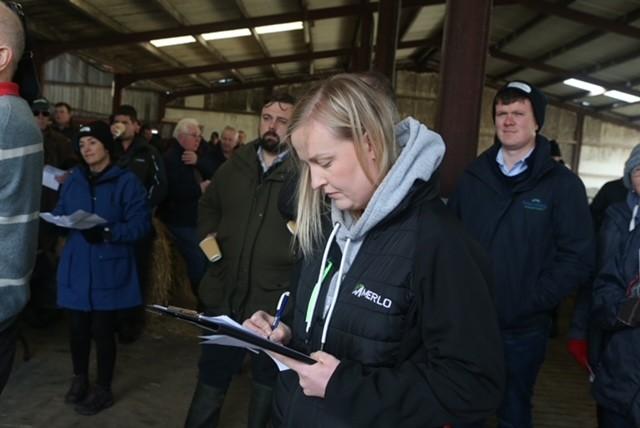
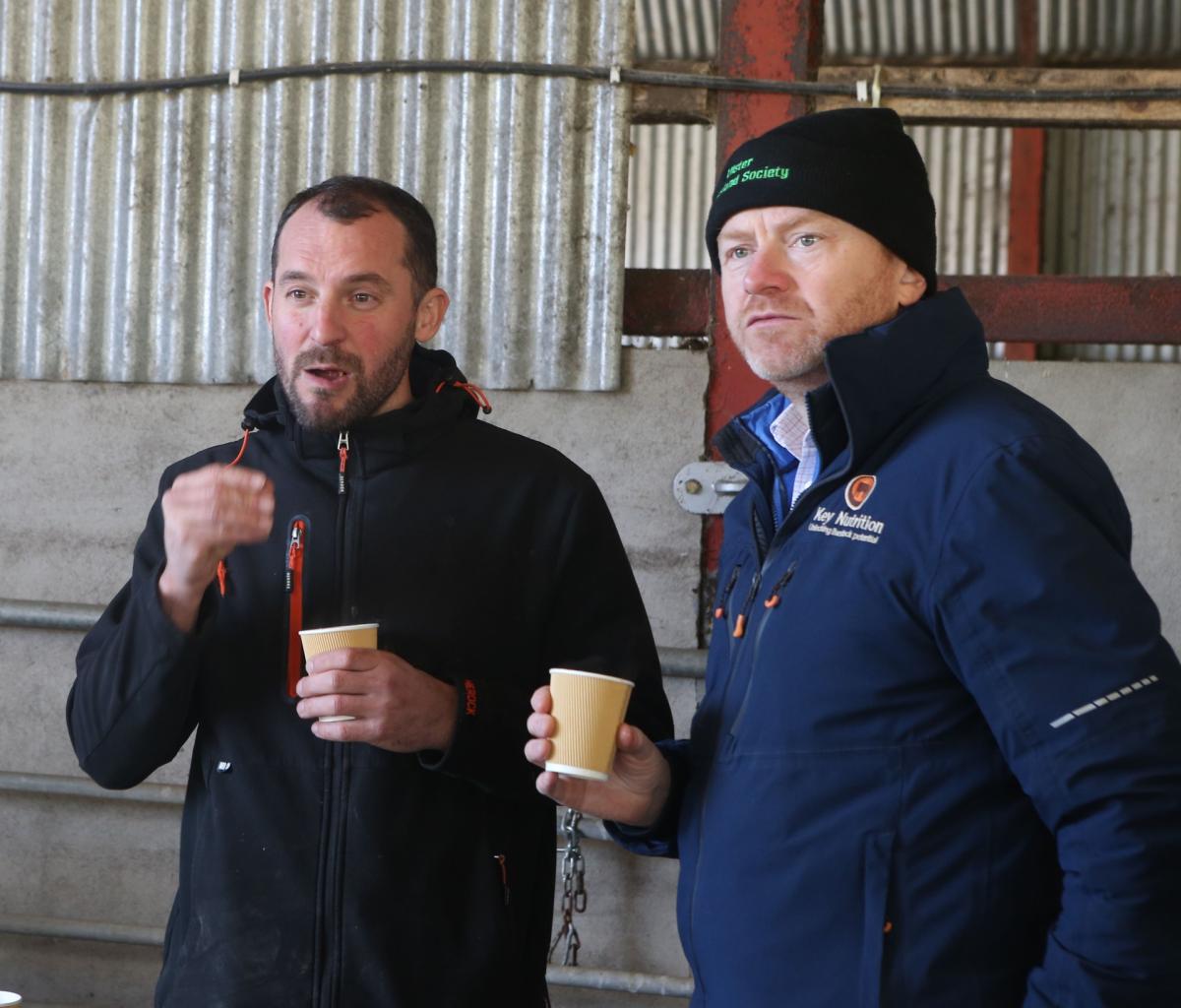
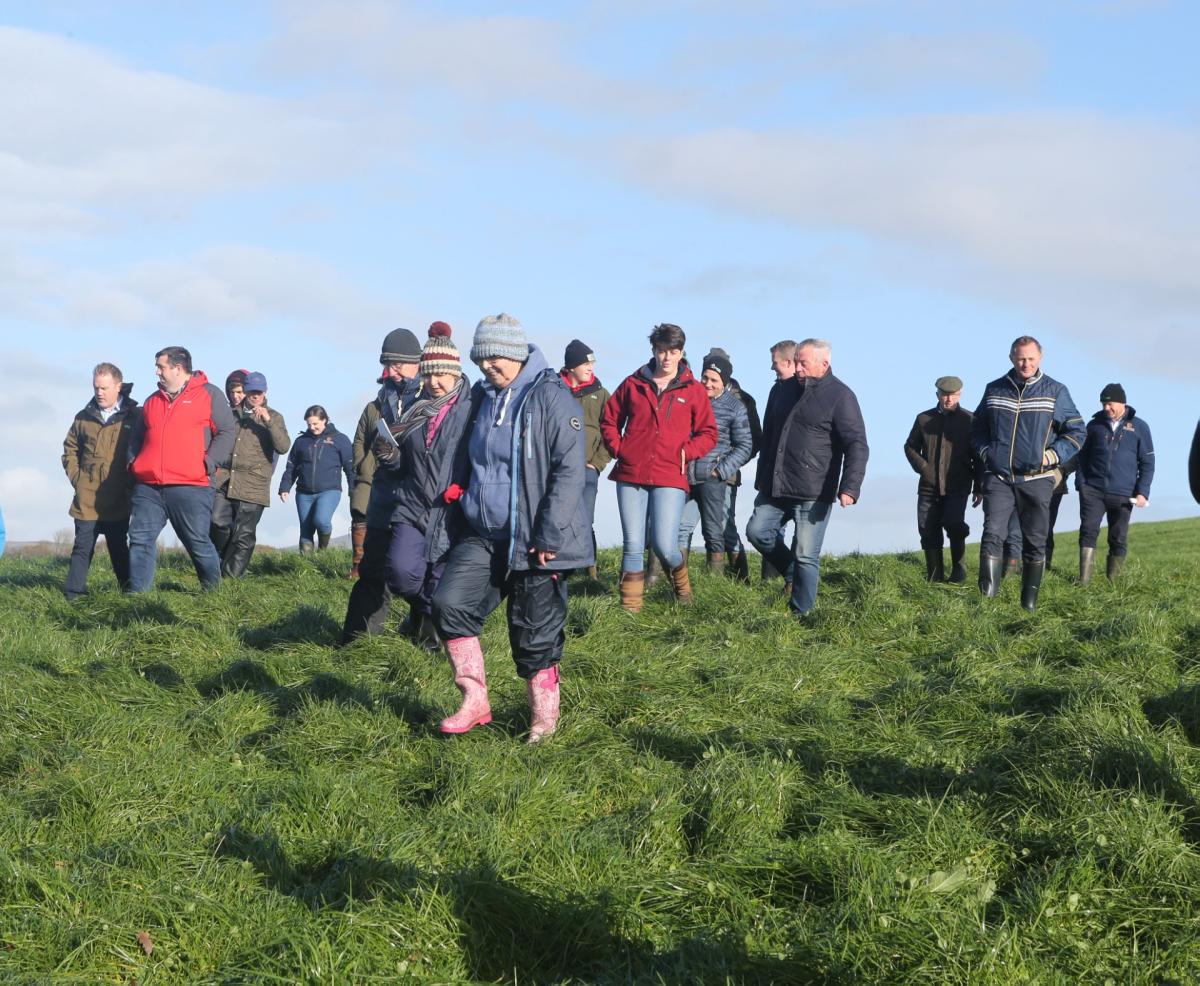
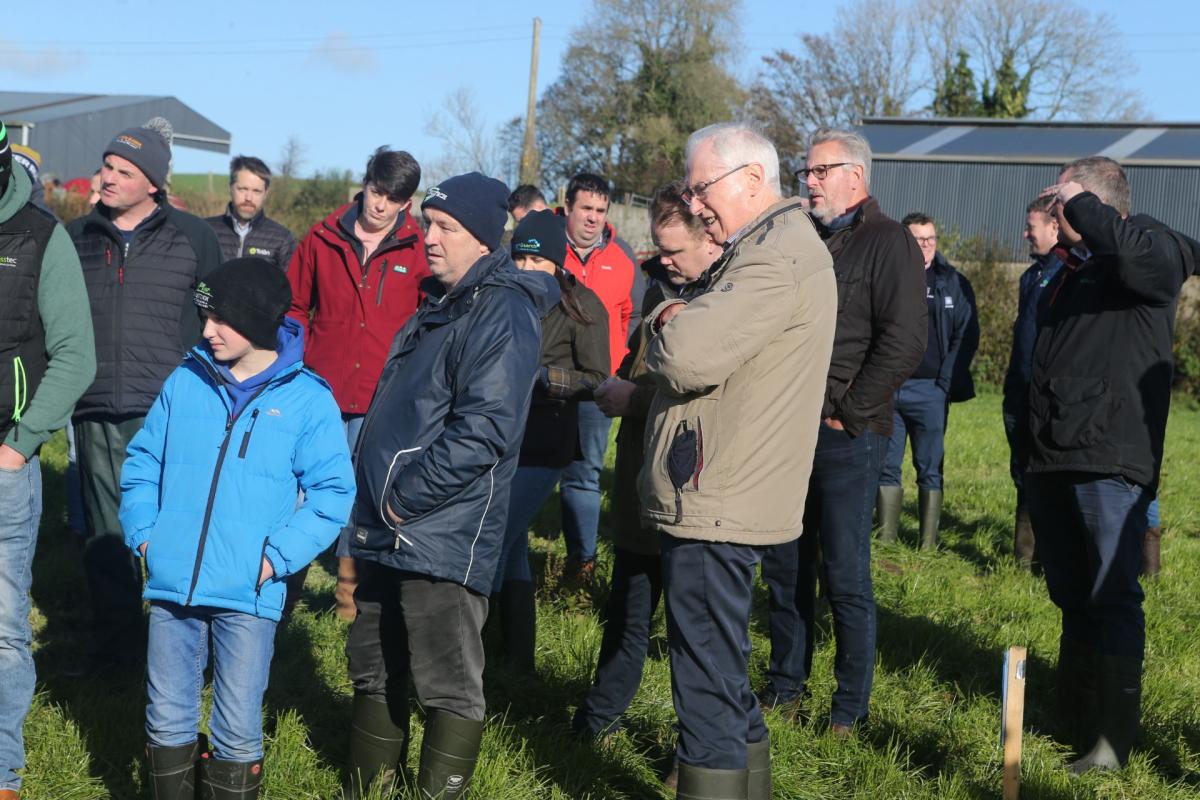
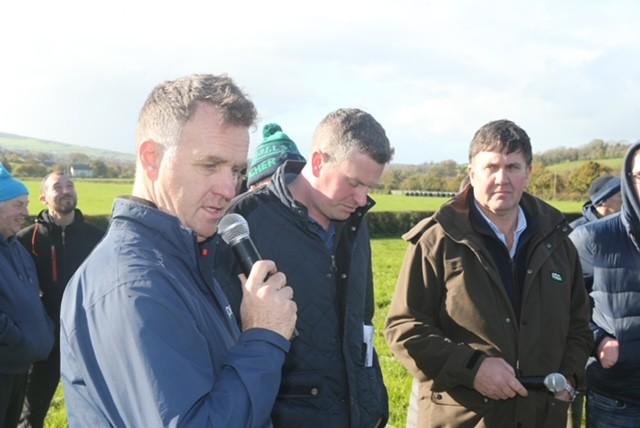
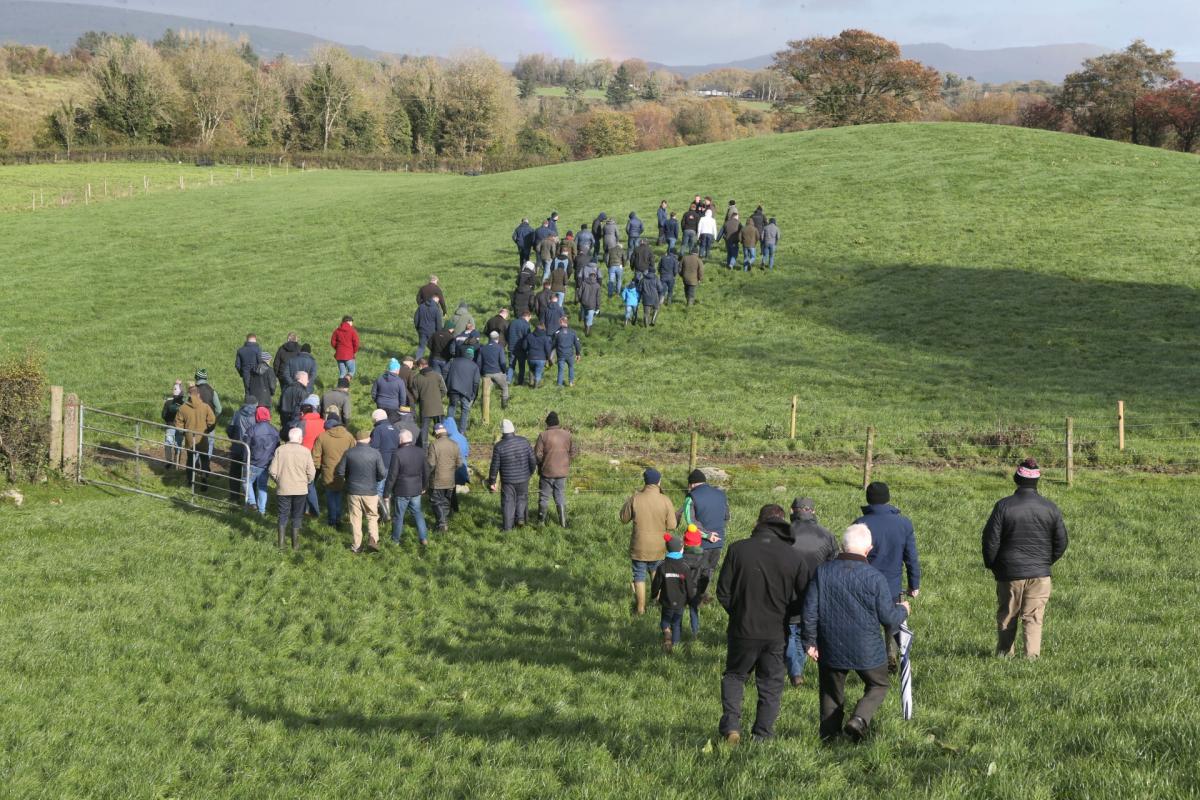
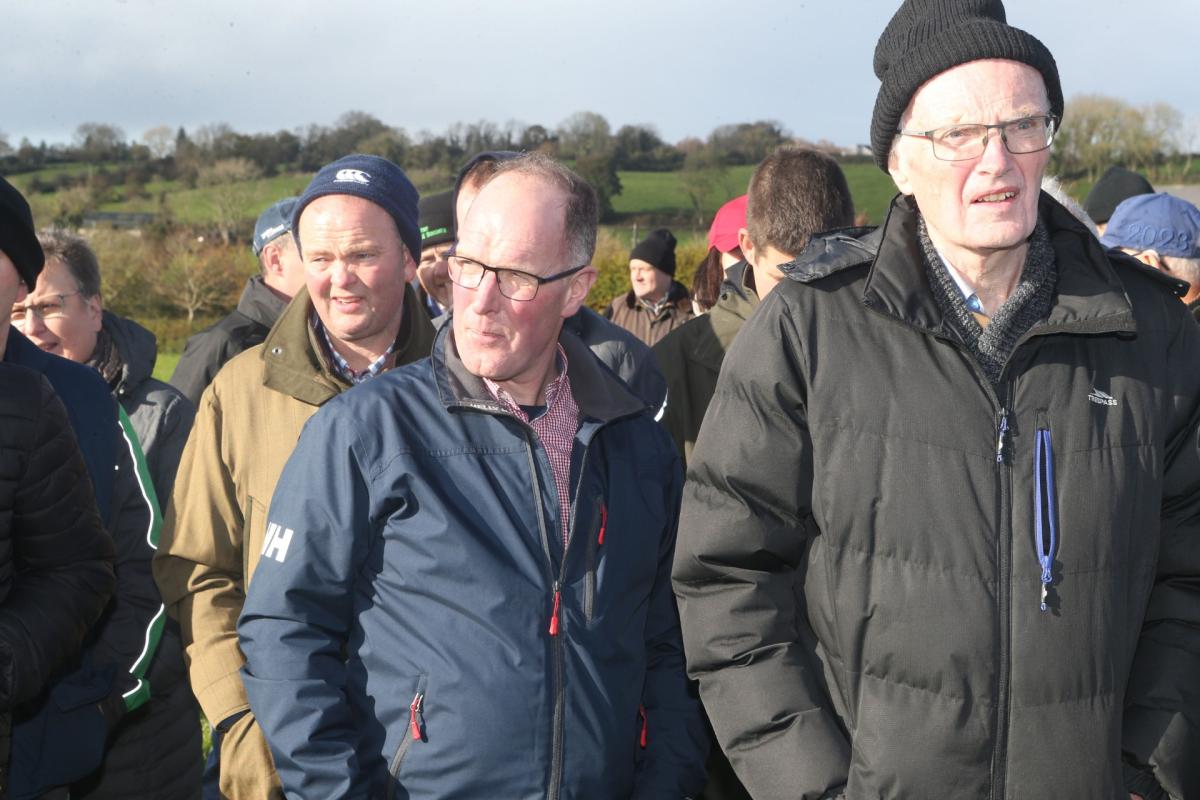

The Ulster Grassland Society’s autumn meeting was held on the farm of David Hunter, Newtownstewart, Co. Tyrone, where over 100 members and visitors were given an insight into a well-managed, efficient, and grass-focused dairy enterprise that has evolved rapidly over the past decade.
The Hunter family has been farming at Droit Road since the late 1600's, but the current dairy enterprise is a much more recent development. After graduating from Greenmount Agricultural College in 2013, David made the bold decision to move away from sucklers, sheep and arable farming to establish a new spring-calving dairy herd.
Existing sheds were adapted and new buildings and a milking parlour installed to create the foundation for today’s progressive business.
David now farms 180 acres, including a 92-acre free-draining grazing platform, with a further 24 acres purchased in 2024 – all accessible for grazing.
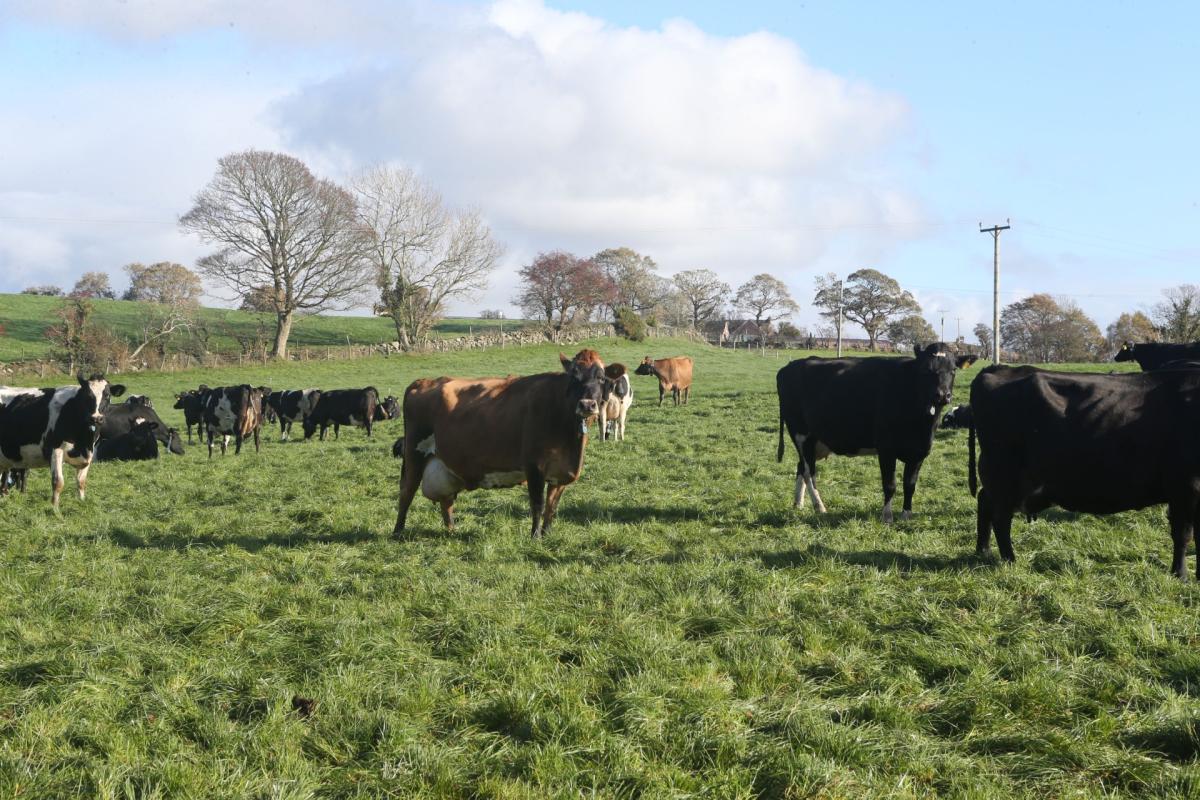
The herd numbers 112 Spring-calving crossbred cows (Holstein Friesian, Jersey and Viking Red), supported by 25 in-calf heifers, 30 calves and 50 beef cattle.
With an altitude of around 200 feet and annual rainfall of around 1000mm, well below the local average of 1300mm, conditions are well-suited to a grazing-based system. The farm is managed by David and his family with the help of one full-time employee.
Read more
- Police investigate theft of cows from farm in Tyrone
- Bird flu: Thousands of birds to be culled in Lisnaskea
- Farming couple celebrate success, one curly-haired pig at a time!
- Farmer and agriculture teacher's Suffolk ram takes top spot at show
- Stage is set for ‘Fermanagh Stars’ multi-breed calf show
A tight 12-week block calving period begins on February 1, aided by heat detection collars that provide accurate data and reduce labour. After initially using high-EBI New Zealand genetics, the herd is now bred primarily to Viking Red sires, chosen to enhance fertility and milk solids while maintaining robustness in the herd.
All cows are served with sexed semen in the first three weeks, followed by beef semen thereafter. The herd achieved a 90 per cent submission rate in three weeks and just ten per cent empty this year, demonstrating strong fertility performance.
Herd performance
Herd performance for 2024 included a yield of 6,925 litres per cow, butterfat, 4.65 per cent, protein, 3.71 per cent, an SCC score of 188, with average meal fed at 1,850kg per cow.
A comprehensive animal health plan covers IBR, BVD and Leptospirosis vaccination, ensuring a high-health-status herd.
Grass growth and utilisation are the cornerstones of David’s approach. Cows are typically turned out by day from mid-February, weather permitting, and graze full-time once growth rates allow. Daytime grazing continues well into November in most years.
“Grass measuring is essential to the system,” David told visitors. “It’s what drives decisions on feeding, reseeding and rotation management. We aim to make full use of grazed grass while maintaining quality through pre-mowing, topping and baling when needed.”
A three-cut silage system supports the herd, with early May, first cut for milkers; late June, second cut for dry cows; and late August, third cut mainly for young stock
Considerable work has gone into paddocks and laneways to make grazing efficient and to maintain access even in challenging weather. Newly purchased land in 2024 has been fully integrated, with paddocks enlarged where necessary to improve flexibility.
Grass production averages around 14 tonnes DM/Ha, and reseeding decisions are based on regular grass measuring. The whole farm has been reseeded within the last ten years, using minimum tillage where possible.
Soil fertility is improving, with the pH now above 6 and a target of 6.5, while efforts continue to raise phosphorus and potassium indices.
Nutrient plan
Nutrient management is carefully structured to support productivity and soil health. Urea and sulphur are applied in February. Compound fertiliser is used for the second round. Straight nitrogen and sulphur are applied after each grazing. Slurry is applied via dribble bar to both grazing and silage ground, supplemented with 29:0:17 + S protected urea.
David’s objectives remain clear; to maximise grass growth and utilisation; to extend grazing days; to breed cows suited to a grass-based system, and to keep the system simple and labour-efficient
Members of the Ulster Grassland Society complemented David for his commitment to efficiency, infrastructure investment, and herd performance.
UGS President Elect Ivor Lowry expressed thanks to David Hunter for hosting the visit; Damian McAllister, Business Manager, DLF Seeds & Science for his input, presentation and generously supporting the BBQ lunch; the event caterers Simply Irresistible and everyone who attended the farm walk.
A UGS Spokesperson went on to comment: “David Hunter’s system is an excellent example of how a well-managed grass-based approach can deliver strong performance and sustainability.
"His focus on measurement, simplicity and continual improvement shows the benefits of attention to detail.”


Share